

Your roof is a critical component of your home, providing protection from the elements and contributing to your property’s overall structural integrity. Regularly inspecting and replacing your roof based on seasonal needs ensures that it remains in optimal condition. Neglecting this maintenance can lead to costly repairs, energy inefficiency, and even structural damage. Below, we explore why seasonal roofing replacement and inspections are essential for homeowners.
Why Seasonal Inspections Matter
Seasonal changes bring varying weather conditions that can significantly affect the performance of your roof. Each season presents its own set of challenges:
– Spring: Heavy rains can test the durability of shingles and expose leaks or weak spots.
– Summer: Intense heat can cause shingles to warp or crack, reducing their longevity.
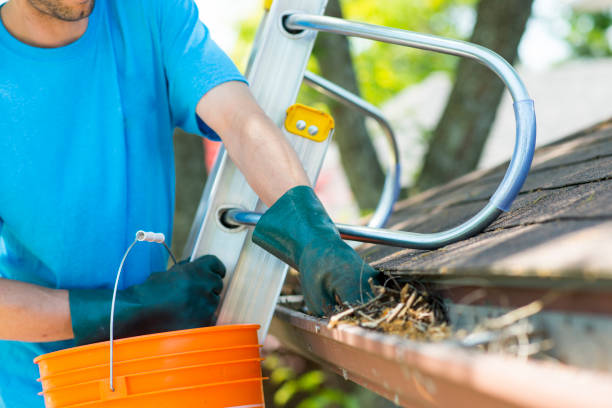
– Fall: Falling leaves and debris may clog gutters, leading to water pooling on the roof’s surface.
– Winter: Snow accumulation and freeze-thaw cycles can cause ice dams, which can damage shingles and lead to water penetration.
By scheduling inspections at strategic times during the year (typically spring and fall), you can identify problems early before they escalate into expensive issues.
Key Benefits of Seasonal Roofing Inspections
- Preventative Maintenance: Early identification of potential issues reduces the risk of unexpected major repairs.
- Enhanced Lifespan: Well-maintained roofs endure harsh weather better, extending their lifespan.
- Energy Efficiency: Addressing gaps or damaged shingles improves insulation, lowering heating and cooling costs.
- Safety Assurance: Early detection prevents hazards such as falling debris or weakened structures due to leaks.
When Should You Consider Roof Replacement?
While regular inspections are crucial for maintenance, there comes a time when replacement becomes necessary. Here are some signs that your roof may need replacing: – Shingles are curling, cracked, or missing. – There is significant roof sagging or visible structural damage. – Indoor ceilings have water stains or signs of mold growth. – Your roof is over 20 years old (for asphalt shingle roofs).
Replacing your roof during milder seasons like spring or early fall ensures easier installation due to favorable weather conditions.
Seasonal Inspection Checklist
To simplify the process, consider using this checklist during twice-yearly inspections: | Task | Season | Notes | |———————————-|————–|——————————————–| | Inspect shingles for damage | Spring/Fall | Look for cracking, curling, or missing pieces | | Check flashing around chimneys | Spring/Fall | Ensure proper sealing; replace if worn | | Clean gutters & downspouts | Fall | Prevent clogs that lead to water pooling | | Remove snow/ice buildup | Winter | Use a roof rake for heavy accumulations |
Hiring Professional Roof Inspectors
While DIY evaluations are helpful for minor checks like looking for visible damage from ground level, professional inspections bring expertise and equipment necessary to detect deeper issues such as: – Hidden leaks affecting underlying layers – Structural problems within support beams – Ventilation inefficiencies leading to moisture buildup
A qualified roofing contractor will also provide recommendations tailored to your specific roofing material (e.g., asphalt shingles vs. metal roofing).
Regular seasonal roofing maintenance prevents small issues from escalating into costly damages while increasing safety and efficiency in your home all year long.
How a Minneapolis Roofing Company Can Save You Thousands with Proactive Inspections and Repairs
Taking a proactive approach to roofing inspections and repairs can prevent costly issues down the road. Many homeowners overlook the importance of regular roof maintenance, but neglecting your roof can lead to severe structural damage, expensive repairs, or even premature replacement. Here’s how being proactive about your roof can save you thousands of dollars.
Understanding the True Cost of Reactive Repairs with a Roofer Minneapolis MN
Waiting until a problem becomes noticeable often results in more extensive—and expensive—repairs. For example:
– A small leak left unattended can spread, leading to water damage in ceilings, walls, and insulation.
– Mold and mildew growth can occur due to prolonged moisture exposure, creating health hazards and increasing remediation costs.
– Structural components such as rafters or decking may weaken due to water intrusion, requiring labor-intensive reconstruction.
By addressing issues early through regular inspections and repairs, you can avoid these costly scenarios altogether.
| Problem | Cost of Early Repair | Cost if Ignored |
| Small roof leak | $150-$500 | $2,000-$10,000+ (including water damage repair) |
| Missing or damaged shingles | $100-$300 | $1,000+ (if not replaced promptly) |
| Clogged gutters causing overflow | $100 | $5,000+ (foundation or siding damage) |
Top Benefits of Routine Roofing Services Minneapolis MN
- Early Detection: Spotting trouble areas like cracked shingles or loose flashing before they escalate.
- Extended Roof Life: Addressing minor issues keeps your roof in optimal condition longer.
- Insurance Advantages: Many insurance policies require proof of regular maintenance for claims related to storm damage.
Industry experts recommend scheduling inspections twice a year—once in spring and once in fall—or after severe weather events.
Key Considerations for Effective Roof Repair Solutions
- Replacing broken or missing shingles.
- Fixing improperly sealed flashing around vents and chimneys.
- Cleaning clogged gutters that may trap water on your roof’s surface.
- Repairing sagging areas caused by weakened supports.
Each small repair minimizes potential risks while ensuring optimal performance from your roofing system.
Long-Term Savings with Preventive Maintenance
Investing in preventive maintenance pays off significantly over time:
1. Reduces unexpected repair costs by addressing problems early. 2. Enhances energy efficiency by sealing gaps that allow heat loss during winter months or cool air escape during summer months. 3. Protects your home’s resale value since prospective buyers prefer properties with well-maintained roofs.
By spending a few hundred dollars annually on professional roofing services for inspections and minor repairs, you could save tens of thousands in major repair costs or premature replacement expenses over the years.
Proactive care is an essential part of homeownership that many people tend to underestimate until it’s too late. Timely action ensures not only financial savings but also peace of mind knowing your home remains protected from the elements year-round.
Comprehensive Guide to Year-Round Roofing Care and Replacement
Taking care of your roof throughout the year is essential for maintaining the structural integrity of your home and avoiding costly repairs. With each season presenting different challenges, adopting a proactive approach to roofing care ensures longevity, efficiency, and safety. This guide outlines crucial steps and considerations for year-round roofing maintenance and replacement.
Importance of Seasonal Maintenance
Different seasons bring unique weather conditions that can impact your roof in various ways. Addressing these seasonal challenges can prevent minor issues from escalating into significant problems.
Winter: – Heavy snow accumulation may cause stress on the roof structure. – Ice dams can lead to water infiltration. – Inspect for any missing or loose shingles before snowstorms.
Spring: – Rainfall may expose leaks or weak spots in your roof. – Remove debris left by winter storms, such as branches or leaves. – Check gutters for damage or clogs from melted snow runoff.
Summer: – Intense heat can cause shingle warping or cracking. – UV rays may degrade certain roofing materials over time. – Schedule a professional inspection if you notice any discoloration or blistering on shingles.
Fall: – Falling leaves may block gutters, leading to water pooling on the roof. – Check for damage caused by windstorms during hurricane-prone months. – Ensure flashing around vents and chimneys is secure before winter arrives.
Signs It’s Time for Roof Replacement
- Age of Your Roof:
Most asphalt shingle roofs last approximately 20–25 years. If your roof is nearing this age, consider scheduling an assessment. - Shingle Damage:
Missing, curled, or cracked shingles indicate wear and tear that may compromise the entire structure over time. - Leaking Issues:
Persistent leaks after several repairs could signal that underlying materials are deteriorating beyond repair. - Sagging Areas:
A sagging roof suggests structural issues with the underlying decking or supports, which require immediate attention. - Moss and Mold Growth:
Accumulations of moss and mold not only look unsightly but can also trap moisture, accelerating wear on roofing materials.
Benefits of Professional Assistance
- Comprehensive Inspections:
Professionals use advanced tools to detect hidden damages such as leaks in attic spaces or underlayment issues that are not visible from the surface. - Timely Repairs:
Addressing minor problems promptly prevents expensive replacements down the road. - Material Expertise:
Contractors can recommend durable materials tailored to local climate conditions while adhering to building codes. - Safety Assurance:
Climbing onto rooftops carries risks; trained professionals have proper equipment and techniques to minimize accidents.
Proactive Tips for Homeowners
Regular Inspections
Conduct visual inspections at least twice a year — once in spring after winter storms and once in fall before harsh weather sets in — paying attention to problem areas like flashing, gutters, vents, and skylights.
Maintain Gutter Systems
| Season | Ideal Gutter Cleaning Frequency |
| Spring | Twice |
| Summer | Once |
| Fall | Twice (especially after heavy leaf fall) |
| Winter | Once (if no heavy snowfall) |
Trim Overhanging Branches
Branches too close to your home pose risks: – They may scrape against shingles during high winds. – Fallen limbs could puncture your roof during storms.
Schedule trimming annually with a professional arborist if needed.
Year-round attention combined with periodic professional assessments ensures that your roof remains functional through varying weather conditions while extending its lifespan significantly.
How to Choose a Reliable and Professional Roofing Contractor
Choosing the right roofing contractor is a critical decision that can impact the longevity and safety of your roof. With so many options available, it’s essential to know what to look for to ensure you hire a professional who delivers quality work. Below are key considerations and steps to help you find a reliable roofing contractor.
Research Local Contractors
- A physical office or location nearby
- Established presence in the community
- Positive reviews on platforms like Google, Yelp, or Better Business Bureau (BBB)
Verify Credentials and Licensing
Always confirm that the contractor is licensed, insured, and bonded. This protects both you and the contractor in cases of accidents or unforeseen issues during the roofing project.
| Credential | Importance |
| Licensing | Ensures compliance with state or local regulations |
| Insurance | Covers any accidents or damages during the project |
| Bonding | Provides financial protection if the contractor fails to complete the job |
Request References and Past Work Samples
Ask the contractor for references from past clients. Reach out to these references to inquire about their experiences with the contractor’s professionalism, timeliness, and quality of work. Additionally, request pictures or visit properties where they’ve completed roofing projects to assess their workmanship.
- Was the project completed on time?
- Were there any unexpected costs?
- Would you hire this contractor again?
Compare Written Estimates
Before making your decision, obtain written estimates from at least three different contractors. This allows you to compare pricing while ensuring transparency about what is included in each estimate.
- Breakdown of material costs
- Labor charges
- Timeline for completion
- Warranty details for both materials and labor
Avoid choosing solely based on price—a lower bid may indicate subpar materials or shortcuts in labor.
Assess Communication Skills
Clear communication is vital when working with any contractor. Pay attention to how promptly they respond to inquiries, how thoroughly they answer questions, and whether they explain processes clearly. A professional roofing contractor will prioritize transparency and customer satisfaction.
- Willingness to provide detailed explanations about materials or processes
- Timely follow-ups on inquiries
- A written contract outlining all agreed-upon terms
Check Manufacturer Certifications
Many reputable roofing contractors have certifications from leading material manufacturers, such as GAF, Owens Corning, or CertainTeed. These certifications indicate that the contractor has undergone special training and meets high-quality standards set by manufacturers.
| Certification Type | Benefits |
| GAF Master Elite® Contractor | Access to premium products & extended warranties |
| Owens Corning Platinum Partner | Expertise in installing Owens Corning products |
| CertainTeed SELECT Shingle | Advanced knowledge & skills verified by CertainTeed’s standards |
Confirm Warranty Offerings
A reliable roofer will offer comprehensive warranties for both their labor and materials used in your project. Be sure that these warranties are outlined explicitly in their contract so there’s no confusion later.
- Length of coverage (e.g., 10 years for workmanship)
- Types of damages covered (e.g., leaks due to improper installation)
- Whether warranties are transferable if you sell your home
Choosing a professional roofing contractor requires diligence but ensures peace of mind knowing your roof is installed or repaired correctly by skilled experts committed to quality service delivery. Taking time upfront helps minimize potential risks down the road while maximizing value from your investment.
How to Choose a Reliable and Professional Roofing Contractor
Selecting the right roofing contractor can make all the difference when it comes to the longevity, durability, and safety of your roof. With so many options available, it’s essential to know what to look for in a professional contractor. Here’s a comprehensive guide to help you make an informed decision.
Research and Verify Credentials
Before hiring a roofing contractor, ensure they are qualified and licensed. This step protects you from hiring unskilled or unreliable professionals. Consider the following:
– Licensing: Verify that the contractor holds all necessary licenses required by state or local authorities.
– Insurance: Confirm they carry both liability insurance and workers’ compensation coverage for their employees.
– Certifications: Look for certifications from reputable industry organizations such as GAF, Owens Corning, or CertainTeed.
Look for Experience
Experience is critical when choosing a roofing contractor. A seasoned professional will have dealt with various types of roofs and issues over time. When evaluating experience, consider these factors:
– How long has the company been in business?
– Do they specialize in your type of roof (e.g., asphalt shingles, metal roofing, flat roofs)?
– Can they provide examples of past projects similar to yours?
Check Online Reviews and References
Customer feedback can offer valuable insights into the reliability and quality of a roofing contractor’s work. Steps to follow:
1. Read reviews on trusted platforms like Google, Yelp, or Better Business Bureau (BBB).
2. Ask the contractor for references from previous clients. 3. Contact those references directly to ask about their experience with the company.
Ask About Warranties
A reliable roofing contractor should provide warranties for both workmanship and materials used. Be sure to clarify details such as:
– The duration of the warranty period. – What specifically is covered (labor vs materials).
This ensures protection against potential future problems.
Request Written Estimates
Always get multiple written estimates before making your decision. A detailed estimate should include:
| Item | Description | Cost |
|———————|———————————|———————–|
| Materials | Types/quantities of materials | $X |
| Labor | Estimated time/cost | $Y |
| Additional Services | Cleanup/disposal fees | $Z |
Review each estimate carefully to ensure transparency regarding costs.
Evaluate Communication Skills
Effective communication is an indicator of professionalism. Pay attention during initial meetings or phone calls: – Do they answer your questions clearly?
– Are they responsive?
Good communication fosters trust throughout the project.
By considering these factors carefully when choosing a professional roofing contractor, you’ll maximize value
- The Best Minneapolis Roofing Company for High Wind Condition Materials
- Comprehensive Homeowner’s Guide from a Minneapolis Roofing Company: Roof Repair or Full Replacement?
- Seasonal Roofing Inspections and Replacement with a Roofing Contractor Minneapolis MN
- The Importance of Choosing a Minneapolis Roofing Company for Repairs and Replacements
- 5 Warning Signs Your Roof Needs Immediate Repair from a Minneapolis Roofing Company
- Comprehensive Guide to Roofing Services Minneapolis MN: Should You Repair or Replace Your Roof?
- Understanding Top Problems Fixed by a Roofing Contractor Minneapolis MN and How a Minneapolis Roofing Company