
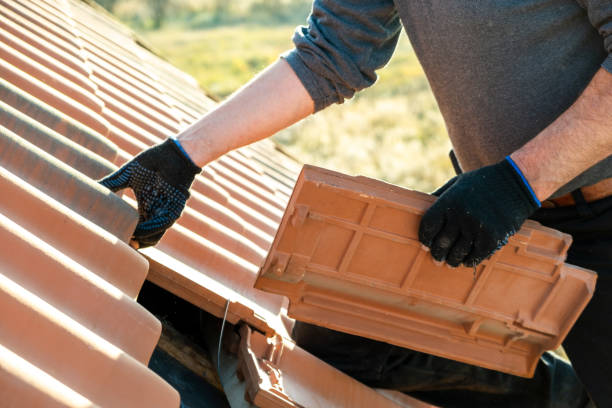
When it comes to maintaining your home, few decisions are as critical as determining whether your roof needs a repair or a full replacement. Your roof is one of the most important components of your house, safeguarding it from the elements and ensuring the structural integrity of the property.
Important Factors to Consider for Roofing Services Minneapolis MN
Several factors come into play when deciding between roof repair and replacement.
- Asphalt shingle roofs typically last 20-30 years.
- Metal roofs may last 40-70 years depending on materials used.
- Minor issues like small leaks or missing shingles can often be addressed with repairs.
- Significant damage, such as widespread water penetration or sagging areas, may require a full replacement.
- Repairs are generally more affordable in the short term but could become costly if recurring issues persist over time.
- Replacing the entire roof involves a larger upfront investment but may offer better long-term value.
- New roofing systems often come with improved insulation or reflective properties that could lower your energy bills.
- If energy efficiency is a concern, upgrading to modern materials via replacement might be worth considering.
Pros and Cons of Roof Repair vs Replacement
| Decision | Advantages | Disadvantages |
| Roof Repair | Lower upfront cost | May not address underlying problems |
| Quick turnaround | Potential for repeated repairs over time | |
| Full Roof Replacement | Long-term solution | Higher initial expense |
| Opportunity to upgrade materials | Disruption during installation |
Signs That Suggest Repairs Are Sufficient
In some cases, repairing small areas can effectively extend the life of your existing roof.
- Missing or damaged shingles in limited spots.
- A small leak that hasn’t caused extensive water damage inside the home.
- Localized wear around vents, chimneys, or flashing areas where weather exposure has caused minor degradation.
Indicators That Point Toward a Full Replacement
- The roof has multiple leaks in different locations.
- Large portions of shingles are curling, cracking, or entirely missing.
- Significant water damage inside attics or ceilings due to prolonged exposure.
- The structural integrity is compromised (e. g. , sagging sections).
- Your home has experienced severe weather damage from storms that cannot be resolved through simple fixes.
Professional Consultation Makes All the Difference
Hiring a trusted roofing contractor ensures you receive expert advice tailored specifically to your situation—whether it’s on repairs or total replacements—and ensures that quality workmanship supports any decision made.
A thorough inspection by an experienced professional can reveal hidden issues that homeowners may overlook during their own assessments while providing realistic insights into costs and timelines associated with either choice.
By keeping these considerations in mind and seeking input from qualified professionals where necessary, homeowners can confidently choose between repairing their existing roofs or investing in full-scale replacements based on both current needs and future goals for their homes’ protection and value retention long-term.
How to Choose the Right Roofing Contractor Minneapolis MN for Repairs or Replacement
Below, we break down the considerations and steps to help you make an informed decision.
Consider the Age of Your Roof
| Material Type | Average Lifespan |
| Asphalt Shingles | 20-30 years |
| Metal Roofing | 40-70 years |
| Clay or Concrete Tiles | 50-100 years |
| Wood Shakes | 20-40 years |
However, if it’s relatively new and damage is minor, repairing may suffice.
Evaluate the Extent of Damage
Conducting a thorough assessment of your roof’s condition is essential before making any decisions.
– Missing shingles:
– Leaks: Small leaks in an isolated area may be repaired by sealing or patching damaged sections. However, widespread leaks could indicate more serious structural issues requiring replacement.
Sagging: If sections of your roof are sagging, this indicates structural damage that typically warrants a full replacement.
Storm Damage: Hail or wind damage may require significant repair work but can sometimes lead to replacing only affected areas.
Hiring a professional roofer for an inspection ensures all underlying problems are identified accurately.
Budget Considerations
Repairs are typically less expensive upfront than full replacements.
Consider these costs:
1.Roof Repairs: These typically range from $150 – $3,000 depending on severity and material type. 2.Full Replacement: Replacing an entire roof can cost anywhere between $5,000 – $25,000 or more depending on size and material selection.
If you’re planning on staying in your home for many years rather than selling soon, it might make sense to invest in a longer-term solution like replacement.
Think About Energy Efficiency
Older roofs tend to lack modern energy-efficient materials that reflect heat better and improve insulation performance. A new roof equipped with reflective coatings or cool-roof technology offers benefits such as reduced utility bills over time—making replacement an attractive option if energy efficiency aligns with your goals.
Questions To Ask Yourself Before Deciding
To guide you further in determining whether repairs or replacement are right for you:
– Is my current roofing system under warranty? If yes, what does it cover?
– Are damaged areas isolated or widespread?
– Will repairing now delay inevitable future costs related to aging infrastructure?
Answering these questions helps clarify which approach will serve both short-term needs and long-term peace of mind effectively.
By combining an evaluation of current damages with consideration for age-related wear-and-tear alongside budgetary realities—homeowners will find themselves better prepared when deciding between repairing their roofs versus opting instead toward comprehensive replacements tailored toward their specific needs long term durability while aligning personal budgets responsibly .
How to Know When to Call a Roofer Minneapolis MN for Immediate Roof Repairs
Maintaining the integrity of your roof is crucial to safeguarding your home. A roof in poor condition can lead to costly damages, such as structural issues, water leaks, and energy inefficiency. Below are some critical signs that indicate your roof may need immediate attention.
Visible Damage on the Roof Surface
Carefully inspect the surface of your roof for visible signs of wear and tear.
- Cracked, curled, or missing shingles: These issues can allow water to seep into your home and cause significant damage over time.
- Granule loss: If you notice excessive granules in your gutters or downspouts, it could indicate that your shingles are deteriorating and nearing the end of their lifespan.
- Sagging areas: A sagging roof often points to underlying structural problems that require prompt inspection and repair.
Leaks and Water Damage
Water infiltration is one of the most apparent indicators of roofing trouble.
- Water stains on ceilings or walls: These marks often represent a slow but steady leak caused by roof damage.
- Dripping water during rainfall: Active leaks should be addressed immediately to prevent further damage to interior surfaces.
- Mold or mildew growth: Excess moisture due to a leaking roof can promote mold formation, which can pose health risks.
Flashing Issues
Flashing seals vulnerable areas like chimneys, vents, or skylights against water intrusion.
- Gaps around chimneys or vents.
- Rusted or corroded flashing materials.
- Loose seals allowing water into critical joints.
Increased Energy Bills
A failing roof with inadequate insulation reduces energy efficiency within a home. If you notice sudden spikes in energy costs, heat or cool air may be escaping through damaged roofing materials.
| Problem | Possible Cause | Recommended Action |
| High energy bills | Poor insulation due to aging shingles | Inspect attic insulation and roofing materials |
| Water stains indoors | Leaks from cracked shingles | Schedule an assessment with a professional roofer |
| Sagging sections | Structural weakness | Reinforce compromised areas immediately |
Unusual Wear Around Roof Features
- Clogged gutters filled with debris may cause water pooling at edges.
- Deterioration at valleys could indicate improper drainage systems.
The Importance of Timely Repairs
Ignoring early warning signs can result in larger problems for homeowners. Addressing these issues promptly not only protects your home but also extends its overall lifespan while avoiding expensive repairs later on.
By understanding these indicators and responding quickly when they arise, you can ensure your roofing system remains reliable for years ahead. Always consult a licensed roofing contractor for thorough inspections and professional guidance when necessary.
Understanding When a Roofing Repair Is the Right Call for Your Home
When it comes to maintaining your roof, deciding between a repair and a replacement is often challenging. Opting for a roofing repair can be the most practical and cost-effective solution in many situations. Below, we’ll explore scenarios where a repair is appropriate, key benefits of choosing this option, and how to determine if it’s the right call for your home.
Common Scenarios That Call for Roof Repairs
A full roof replacement isn’t always necessary. In certain cases, focusing on targeted repairs can address specific issues effectively.
- Minor Damage: Small cracks, localized leaks, or isolated areas of damage (like missing shingles) can often be repaired without needing to overhaul the entire roof.
- Storm Damage: If your roof sustains damage from storms—such as displaced shingles or gutter detachment—repairs can restore its integrity.
- Flashing Issues: Damaged or corroded flashing around chimneys or vents can lead to leaks but is typically easy to repair.
- Limited Wear and Tear: If your roof is relatively new or has only experienced minor wear over time, repairing these small problems can extend its lifespan significantly.
Benefits of Choosing Roof Repairs
- Cost-Effective: Repairs are usually far less expensive than full replacements, saving you money while addressing immediate concerns.
- Faster Solution: Repairs are typically completed more quickly than total replacements, causing less disruption to your daily life.
- Prolongs Roof Lifespan: Addressing minor issues promptly prevents them from escalating into larger problems that could necessitate premature replacement.
- Environmentally Friendly: Repairing rather than replacing helps reduce waste by keeping usable materials out of landfills.
Key Indicators That Roof Repairs Are Sufficient
| Indicator | Description |
| Age of the Roof | If your roof is relatively new (under 10–15 years), repairs might suffice instead of replacement. |
| Extent of Damage | Localized issues like cracks or missing shingles are suitable candidates for repair. |
| Budget Constraints | If replacing the entire roof isn’t financially viable at the moment, repairs may provide temporary relief. |
| Structural Integrity | As long as the underlying structure remains intact and undamaged, targeted fixes will address surface-level concerns. |
Engaging with a professional roofing contractor is highly recommended to assess these factors accurately.
When Repairs May Not Be Enough
While repairs often work well in specific situations, there are times when they aren’t sufficient:
– Extensive damage across large portions of the roof may render spot repairs ineffective. – Repeated patchwork fixes over time may cost more in cumulative expenses than an eventual replacement. – Severe structural compromise due to age or long-term neglect could necessitate an entirely new installation.
If you’re unsure about whether repairs will resolve your roofing issues adequately, consulting with an experienced contractor ensures that the appropriate course of action is taken.
By understanding these nuances and carefully evaluating both damage severity and overall costs, homeowners can make informed decisions about preserving their roofs without overspending unnecessarily.

Why Investing in a Full Roof Replacement Might Be the Better Option
When considering the state of your roof, one key decision many homeowners face is whether to repair or replace their roof entirely. While repairs might seem like the more budget-friendly choice in the short term, investing in a full roof replacement can often provide greater long-term benefits. Below, we explore why a full roof replacement might be the right path for your home and how it can enhance your property’s value and durability.
Enhanced Longevity and Durability
A complete roof replacement ensures that your home has a solid foundation of durable and modern materials. Older roofs may have deteriorated or weakened over time due to weather exposure, improper installation, or natural wear-and-tear.
- Modern roofing materials are designed to last longer than many older options.
- New installations often come with warranties that cover significant periods (e. g. , 20-50 years), offering peace of mind.
- Entirely replacing your roof eliminates all underlying structural issues rather than addressing them piecemeal.
By investing in a replacement, you avoid recurrent repair costs and ensure long-term durability for years to come.
Improved Energy Efficiency
Aging roofs can allow for energy inefficiencies that increase heating and cooling costs.
- Better insulation: Modern roofing systems are designed with insulation materials that reduce heat loss during winter and moderate indoor temperatures during summer months.
- Cool roofing options: Reflective coatings or lighter-colored shingles can minimize heat absorption, lowering energy needs for air conditioning.
These upgrades not only lower utility bills but also make your home more environmentally friendly.
Increased Property Value
A new roof is considered a major asset when it comes to property value. If you plan to sell your home in the future, prospective buyers often view a recently replaced roof as an essential feature.
| Feature | Impact on Buyers |
| New Roof Warranty | Offers reassurance against future costs |
| Attractive Appearance | Enhances curb appeal |
| Lower Maintenance Needs | Provides convenience |
Homes with updated roofs often attract higher offers compared to those requiring replacement right after purchase.
Reduced Risk of Damage
Delaying necessary replacements can lead to costly damage over time.
- Mold growth due to consistent moisture
- Water damage affecting walls, ceilings, or insulation
- Pest infestations exploiting cracks or openings
Replacing your roof provides an opportunity to address these risks comprehensively before they escalate into larger problems.
Financial Incentives for Replacement
- Insurance Coverage: If storm damage or other covered incidents necessitate replacement, insurance policies often help offset costs.
- Energy Efficiency Rebates: Installing energy-efficient materials may qualify you for local tax credits or rebates.
- Increased Home Equity: By boosting property value through a new installation, you’ll see significant returns on investment when selling.
Final Considerations
While repairs are suitable for minor wear-and-tear or isolated issues, there comes a point where constant maintenance becomes impractical both financially and structurally. A professional assessment from an experienced roofing contractor can help determine whether investing in a complete replacement is the best course of action tailored to your home’s unique needs.
Exploring the Benefits of Choosing a Professional Roof Replacement
When it comes to maintaining the integrity and longevity of your home, your roof plays an essential role. Over time, homeowners may face the challenging decision of whether to repair or fully replace their roof. Opting for a professional roof replacement offers several distinct advantages, ensuring both peace of mind and optimal results. Below, we explore the key benefits of hiring professionals for your home’s roof replacement project.
Expertise and Quality Workmanship
One of the most significant benefits of hiring roofing professionals is their expertise in handling complex projects. Certified roofing contractors bring years of experience and knowledge to ensure that every aspect of the replacement process is handled efficiently.
- They can accurately assess damage and identify underlying issues.
- They are familiar with local building codes and regulations.
- They use proven techniques to provide high-quality installation.
This level of expertise minimizes errors that may otherwise lead to costly repairs down the road.
Use of Premium Materials
Professional roofing contractors have access to high-quality materials that are often not available through traditional retail outlets.
- Homeowners benefit from durable shingles, underlayment, and flashing designed to withstand harsh weather conditions over time.
- Contractors can recommend materials suitable for your local climate, ensuring long-term performance.
- Many professionals also offer warranties on both labor and materials, providing additional assurance.
Investing in top-tier materials during a roof replacement ensures greater durability and better overall aesthetics.
Enhanced Safety Measures
Roof replacements can be dangerous due to steep angles, heavy materials, and unpredictable weather conditions. Professionals are equipped with proper safety gear, training, and insurance coverage that protects both workers and homeowners during the project.
- Reduced risk of accidents or injuries during installation.
- Proper disposal methods for old roofing materials.
- Avoidance of structural damage that could arise from improper handling.
Hiring experts allows homeowners to avoid these risks while ensuring a safe work environment throughout the project.
Increased Home Value & Curb Appeal
A new professionally installed roof significantly enhances your home’s appearance.
| Feature | Impact |
| Improved curb appeal | Creates a polished look that attracts potential buyers or visitors |
| Energy efficiency | Modern roofs may include energy-efficient options like reflective coatings |
| Boosted resale value | A new roof can provide a strong return on investment for sellers |
Beyond its aesthetic value, an upgraded roof reflects well-maintained property standards vital for marketability.
Time-Efficiency & Cost Savings
Attempting a DIY approach or hiring inexperienced labor can lead to lengthy delays or mistakes requiring additional expenses. Professional contractors streamline the process by working efficiently within an established timeline and budget.
- Avoiding frequent repairs by addressing all issues during installation.
- Leveraging contractor partnerships with suppliers for competitive pricing on materials.
While initial costs may appear higher than repairs or DIY efforts, long-term savings make professional replacements worth every dollar invested.
Peace of Mind Through Warranty Coverage
Many reputable roofing contractors offer extended warranties covering both workmanship defects and material failures over time. This means homeowners gain reassurance knowing they are protected against unforeseen issues after project completion.
By choosing professional services for your roof replacement needs, you invest not only in structural integrity but also in security against future complications.
In summary, opting for a professionally conducted roof replacement ensures that your home remains protected while benefiting from enhanced aesthetics and energy efficiency. These advantages go beyond merely replacing worn-out components—they represent an investment in quality craftsmanship designed to stand the test of time.
Key Factors to Consider When Making the Right Choice for Your Roofing Needs
Making the right decision about your roofing needs is a critical step in protecting your home, enhancing its value, and ensuring long-term durability. Whether you’re evaluating repairs or contemplating a full replacement, several factors must be carefully considered to ensure you make an informed choice. Below are the essential elements to think about when navigating roofing decisions.
1.Age of Your Roof
- Asphalt Shingles: Typically last 20–30 years.
- Metal Roofs: Can last up to 50 years but might require occasional repairs due to weather damage or corrosion.
- Tile and Slate Roofs: Have lifespans exceeding 50 years but can have individual tiles that need repair.
Knowing the age and material of your roof can provide clarity when weighing potential costs or risks.
2.Extent of Damage
| Type of Damage | Repair Suggested | Replacement Suggested |
| Missing shingles | Localized (1–3 missing areas) | Widespread (large sections) |
| Leaks | Small leaks (under control) | Persistent/multiple leaks |
| Structural issues | Minor sagging | Severe sagging/rotting structure |
For minimal damage affecting small portions of your roof, repairs may suffice. However, widespread issues could indicate it’s time for a full replacement.
3.Roofing Budget
- Short-Term Costs: Repairs are generally less expensive upfront but may prove costly if frequent fixes are needed over time.
- Long-Term Investment: A new roof can have higher initial costs but often provides better energy efficiency, durability, and reduced maintenance expenses over its lifespan.
Consider financial incentives like warranties and potential energy savings that can offset the cost of a full replacement.
4.Energy Efficiency Goals
- Reflective shingles minimize heat absorption during summer months.
- Metal roofs with special coatings can reduce utility bills.
- Insulating underlayment options provide added thermal resistance.
If reducing energy costs is part of your goal, upgrading to energy-efficient materials during a replacement could be ideal.
5.Climate Conditions in Your Area
- Areas prone to heavy snowstorms require roofs with steep pitches for shedding snow easily.
- Homes in windy regions need materials with high wind resistance ratings.
- Coastal homes should prioritize corrosion-resistant options like aluminum for metal roofs.
Select materials tailored for local weather conditions to prolong your roof’s lifespan and reduce maintenance needs.
6.Resale Value Considerations
- Homes with recently replaced roofs often sell faster at higher prices compared to those needing repairs.
- Quality materials like slate or architectural asphalt shingles enhance aesthetic appeal while offering durability that attracts buyers.
If you plan on selling soon, investing in a high-quality replacement could deliver strong returns on investment (ROI).
By examining these key factors—age, damage extent, budget constraints, energy goals, climate suitability, and resale potential—you’ll be well-prepared to choose between repair and replacement options tailored specifically for your home’s needs. The right decision not only protects one of your most significant assets but also ensures peace of mind for years ahead.
Key Factors to Consider When Making the Right Choice for Your Roofing Needs
Making decisions about your roof can be overwhelming, whether you’re choosing between repair and replacement or selecting the right materials. Your roof is a significant investment and a critical element of your home’s structure, so it’s essential to evaluate several factors before proceeding. Below are key considerations to help guide you through the process.
One of the first steps in determining your roofing needs is evaluating its current condition.
- Age of the Roof: Most roofs have a lifespan that varies by material (e. g. , asphalt shingles last around 20-30 years, while metal roofs can last 40-70 years).
- Signs of Damage: Look for visible damage such as cracked shingles, missing tiles, sagging areas, or water stains on ceilings. These may indicate structural issues that require immediate attention.
- Extent of Deterioration: Minor wear and tear may only require repairs, but widespread deterioration could point to deeper problems necessitating a full replacement.
Your budget is one of the most critical factors in deciding between repair and replacement.
| Type | Average Cost Estimate* | Lifespan Estimate | Notes |
| Asphalt Shingles | $5,000 – $12,000 | 20-30 years | Affordable upfront but shorter lifespan |
| Metal Roofing | $15,000 – $50,000 | 40-70 years | Higher durability but significant cost |
| Slate Roofing | $20,000 – $60,000+ | Over 100 years | Premium option with exceptional longevity |
*Costs are estimates based on standard residential spaces and may vary by location.
If you’re working with a tight budget but need extensive work done, financing options or phased replacements could be worth exploring.
- Hot Climates: Materials like metal or clay tiles reflect heat effectively.
- Cold Climates: Asphalt shingles perform well under snow loads.
- Storm-Prone Areas: Impact-resistant shingles or reinforced roofing systems can prevent storm damage.
Choosing weather-resistant materials ensures better protection for your home over time.
- If you intend to sell soon, repairing minor damages might suffice to boost curb appeal without substantial investment.
- Homeowners planning to live in their property for decades might benefit from investing in a durable roof replacement that offers better energy efficiency and lower maintenance costs.
- Look for licensed professionals with positive customer reviews.
- Request detailed quotes outlining labor costs, material expenses, warranties offered, and timelines.
- Verify insurance coverage to ensure liability protection during the project.
A skilled contractor will also help recommend whether repairs or replacements are better suited based on their inspection findings.
Carefully weighing these factors allows homeowners to make informed decisions that align with their budgetary constraints and long-term goals while ensuring optimal performance from their roofing system.
- The Best Minneapolis Roofing Company for High Wind Condition Materials
- Comprehensive Homeowner’s Guide from a Minneapolis Roofing Company: Roof Repair or Full Replacement?
- Seasonal Roofing Inspections and Replacement with a Roofing Contractor Minneapolis MN
- The Importance of Choosing a Minneapolis Roofing Company for Repairs and Replacements
- 5 Warning Signs Your Roof Needs Immediate Repair from a Minneapolis Roofing Company
- Comprehensive Guide to Roofing Services Minneapolis MN: Should You Repair or Replace Your Roof?
- Understanding Top Problems Fixed by a Roofing Contractor Minneapolis MN and How a Minneapolis Roofing Company