
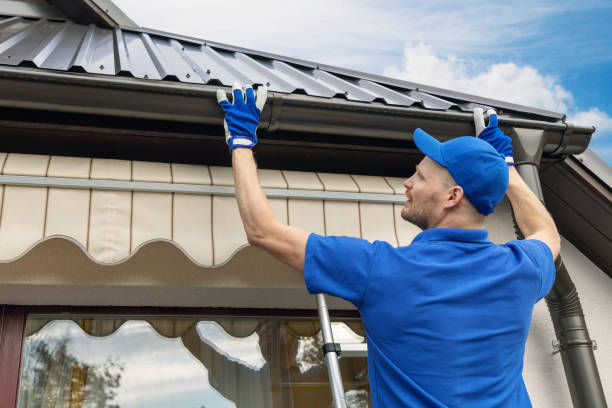
Your roof is one of the most critical components of your home’s structure. It protects you from the elements, ensures proper insulation, and maintains your home’s overall safety and comfort. However, roofs are not immune to wear and tear, especially in areas with harsh weather conditions. Ignoring early warning signs of roof damage can lead to costly repairs or even a full roof replacement. Below are five key warning signs that indicate your roof needs immediate attention.
Signs You Need Roofing Services Minneapolis MN: Missing, Cracked, or Curling Shingles
Shingles that are cracked, curling at the edges, or missing entirely are a clear sign of roofing issues. These problems can occur due to age, improper installation, or harsh weather conditions such as storms or heavy winds. Damaged shingles expose your roof’s underlayment to moisture, which can lead to leaks and eventual structural damage.
What to Do:
– Inspect your shingles regularly for visible wear and tear. – Schedule an inspection with a professional roofer if you notice widespread damage. – Replace damaged shingles as soon as possible to prevent further complications.
Signs You Might Need a Roof Repair: Water Stains Inside Your Home
Water stains on ceilings or walls are often indicators of a leaky roof. These stains may appear yellowish-brown and could be accompanied by peeling paint or bubbling plaster. Left unaddressed, leaks can cause mold growth and compromise the structural integrity of your home.
Key Areas to Check:
– Ceilings in rooms directly beneath the attic. – Walls near exterior corners where water may seep in. – The attic floor for puddles or moisture buildup.
3. Sagging Areas on the Roof
A sagging roof is often a sign of severe structural issues caused by water damage, excess weight from snow or debris, or deterioration over time. A sagging section indicates that underlying support beams may have weakened or rotted.
Why It’s Urgent:
– A sagging roof poses a risk of collapse if not addressed promptly. – Structural repairs for sagging roofs are significantly more expensive than early preventive maintenance.
What You Can Do:
Contact a qualified roofing contractor immediately to assess the situation and plan necessary repairs.
| Signs of Sagging Roofs | Possible Causes | Immediate Actions |
| Visible dips in the roofline | Water pooling | Remove debris; call a roofer |
| Uneven ceiling height indoors | Rotted wood support | Inspect attic structure |
| Cracking noises during storms | Excess load on supports | Reinforce affected areas |
4. Daylight Visible Through Attic Boards
If you notice sunlight streaming through gaps in your attic boards during daylight hours, it’s an indication that your roofing system has cracks or holes allowing external elements inside.
Potential Risks:
– Water infiltration leading to interior damage. – Pest infestations through exposed entry points. – Energy inefficiency due to poor insulation.
Inspecting your attic regularly for light penetration can help identify these problems before they escalate.
5. Rising Energy Bills
Unexplained increases in energy bills can sometimes point back to roofing problems like inadequate insulation caused by leaks or damaged materials. Roofing failures allow conditioned air (heated in winter or cooled in summer) to escape while outdoor air enters freely into your home.
Signs That Connect Roofing Issues with Energy Costs:
1. Difficulty maintaining consistent indoor temperatures. 2. Higher usage of heating/cooling systems. 3. Drafty areas near ceilings or walls close to exterior spaces.
To address this problem:
1. Seal any leaks causing air transfer between indoors and outdoors. 2. Upgrade insulation materials if they’ve been compromised by water exposure. 3. Have a professional roofer inspect ventilation systems integrated with the roof structure.
Acting promptly when these warning signs emerge will save money on long-term repair costs while safeguarding both comfort and security within your home environment.
Signs You Need a Roofing Contractor Minneapolis MN: Missing, Cracked, or Curling Shingles
Your roof serves as the first line of defense against nature’s elements. Over time, wear and tear can lead to visible damage on your shingles—issues such as missing, cracked, or curling shingles are more than cosmetic flaws; they are often the first indicators of deeper problems. Ignoring these signs may result in costly repairs or even full roof replacement. Here’s a closer look at why these issues occur and what they signify.
Common Causes of Shingle Damage
- Weather Exposure: Prolonged exposure to sun, rain, wind, and snow can weaken shingles over time.
- Aging Material: As shingles age, their ability to protect your home diminishes. Asphalt shingles typically last 20–30 years.
- Improper Installation: Poor workmanship during installation or repairs can lead to premature damage.
- Falling Debris: Branches and other debris during storms can crack or displace shingles.
- Ventilation Issues: Inadequate attic ventilation causes heat buildup that accelerates shingle decay.
Why You Shouldn’t Ignore Shingle Problems
- Water Intrusion Risk
Missing or cracked shingles allow water to penetrate the roof’s underlayment or decking, leading to leaks inside your home. - Energy Inefficiency
Damaged shingles compromise insulation capabilities, increasing energy bills due to heat loss in winter and gain in summer. - Structural Damage Over Time
Prolonged exposure to moisture due to missing or curling shingles weakens underlying structures such as wooden beams. - Decreased Property Value
Visible roofing issues may deter potential buyers if you’re planning to sell your property. - Higher Repair Costs Later
Small problems left unaddressed often escalate into larger issues requiring costly repairs or even total replacement.
Identifying Problematic Shingles
| Observable Sign | Likely Cause | Suggested Action |
| Missing Shingles | Wind damage or improper sealing | Replace damaged sections quickly |
| Cracks | Age-related wear or storm impact | Schedule professional inspection |
| Curling Edges | Heat exposure or improper ventilation | Assess attic ventilation system |
| Granule Loss | Aging material | Monitor overall roof condition |
What To Do Next
- Avoid walking on the roof yourself unless absolutely necessary; it can be dangerous and worsen existing damage.
- Keep documentation by taking photos of any visible issues—this is particularly helpful if filing an insurance claim becomes necessary.
- Schedule regular roofing inspections every 1–2 years for early problem detection.
By addressing missing, cracked, and curling shingles promptly, homeowners can protect their investment while ensuring long-term safety and comfort for their households. A proactive approach today mitigates costly complications down the road while extending your roof’s lifespan significantly.
Water Stains and Ceiling Damage: Critical Interior Signs of Roof Issues You Can’t Ignore
Water stains and ceiling damage are often the first interior signs of a roof in distress. These issues may seem minor at first, but they can point to significant underlying roofing problems that require immediate attention. Ignoring these signs can lead to costly repairs, structural damage, and even health hazards over time. Below is an in-depth look at how to identify water-related roofing damage and why prompt action is necessary.
Common Signs of Water Damage
- Brown or yellow spots on the ceiling: These discolorations often appear where water has seeped through your roof.
- Peeling paint or bubbling wallpaper: Excess moisture trapped inside walls can cause paint to peel or wallpaper to bulge over time.
- Soft or sagging drywall: A telltale sign that water has saturated your ceilings, posing risks of collapse.
- Dark streaks running down walls: This could point to leaks that have extended beyond just the roof into other parts of your home’s structure.
Causes Behind Water Stains and Ceiling Damage
| Problematic Area | Possible Cause |
| Damaged shingles | Missing or cracked shingles expose the underlayment, allowing water infiltration. |
| Faulty flashing | Improperly sealed flashing around chimneys or vents causes leaks during heavy rains. |
| Gutter clogging | Blocked gutters fail to direct rainwater away from your home, causing overflow onto your roof. |
| Aging roofing materials | Materials like asphalt shingles wear out over time, becoming less effective against moisture penetration. |
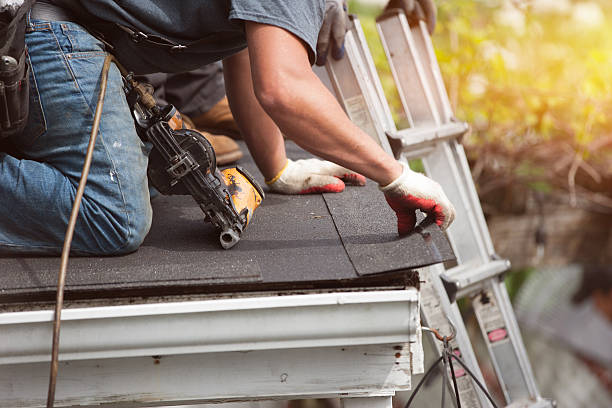
Why Immediate Repair is Necessary
- Structural Weakness
Prolonged exposure to moisture compromises wooden beams, insulation, and other structural elements inside your home. - Mold Growth
Persistent damp conditions create an ideal breeding ground for mold and mildew, impacting indoor air quality and posing health risks. - Cost Escalation Over Time
A small leak unattended for weeks can escalate into widespread damage needing extensive—and expensive—repairs. - Energy Inefficiency Water-damaged insulation loses its effectiveness, causing energy bills to rise due to poor temperature regulation.
Actionable Steps for Homeowners
- Contact a professional roofing contractor immediately for a detailed inspection.
- Temporarily contain leaks by placing buckets under affected areas or using tarps on the rooftop.
- Avoid attempting DIY fixes unless you’re experienced; improper handling could worsen existing issues.
Regular maintenance inspections are also vital for preventing these problems altogether.
By addressing water stains promptly when they first appear, homeowners not only protect their property but also improve their peace of mind knowing their house remains safe from further deterioration.
How to Identify Sagging Roof Areas and Why It’s a Structural Emergency for Your Home
A sagging roof is more than just an aesthetic concern; it is often a red flag signaling serious structural issues that require immediate attention. Ignoring these signs can lead to costly repairs, safety hazards, and even the collapse of the roof in extreme cases. Below, we’ll explore how to recognize sagging roof areas, their potential causes, and why prompt action is essential.
Signs of a Sagging Roof
- Visible Dips or Curves: Stand back and observe your roofline from a distance. A healthy roof should appear straight. Any noticeable dips or curves in the structure could indicate sagging.
- Interior Cracks: Cracks along the ceilings or walls may suggest structural strain caused by a sagging roof.
- Uneven Roof Decking: When walking on your roof (if safe), soft spots or uneven areas are signs of weakened decking beneath the shingles.
- Sagging Gutters: If gutters appear uneven or pull away from their brackets, it might point to an underlying issue with the fascia or roof’s edge stability.
Common Causes of Roof Sagging
- Accumulated snow or ice during winter months can exert tremendous weight on your roof, causing it to bow over time.
- Poorly installed rooftop equipment like HVAC units may also contribute to stress on certain sections of your roofing structure.
- Over time, roofing materials naturally degrade due to exposure to harsh weather conditions like rain, wind, and UV rays. This degradation weakens their ability to support structural integrity.
- Damaged trusses or rafters in the attic space can fail to provide adequate support for the overall structure of your home’s roofing system.
- Leaks from damaged shingles allow water into underlying layers such as plywood decking. Prolonged exposure can rot these materials and compromise their load-bearing capacity.
- Substandard installation practices may result in inadequate structural reinforcement at critical points within your roofing system.
Why Addressing Roof Sag Is Crucial
| Risk | Impact |
| Structural Failures | Weakening over time could lead to partial collapse of sections |
| Water Intrusion | Creates pathways for leaks that damage insulation and drywall |
| Increased Costs | Minor repairs escalate into major projects requiring full replacement |
| Safety Hazards | Puts residents at risk due collapse during extreme weather events |
By recognizing early warning signs and addressing them promptly through professional inspection/repairs homeowners avoid escalating situations impacting overall property value/safety longer-term
Essential Warning Signs Your Roof Needs Repair by a Roofer Minneapolis MN
Your roof is one of the most critical components of your home’s structure, shielding you from the elements and providing insulation. However, it is often overlooked until problems escalate. Identifying warning signs early can save you significant repair costs, prevent structural damage, and maintain your home’s value. Below are key warning signs that your roof needs immediate attention.
Missing, Cracked, or Curling Shingles
Shingles act as a protective layer for your roof. When they are missing, cracked, or curling:
– Water Intrusion Risk: Gaps in shingles expose the underlayment to moisture. Over time, this can lead to leaks and interior water damage. – Decreased Roof Lifespan: Damaged shingles compromise the overall integrity of the roof. – Higher Energy Bills: Missing shingles mean poor insulation, leading to increased energy use for heating or cooling.
If you notice these issues during routine inspections or after a storm, contact a professional roofing contractor immediately for an assessment.
Water Stains and Ceiling Damage
Water stains on ceilings or walls often indicate severe roofing issues that require urgent attention. Here’s what to look for: – Brown or Yellow Stains: Discoloration on ceilings is often caused by water seepage through compromised roofing materials.
– Peeling Paint or Wallpaper: Excess moisture affects interior finishes. – Persistent Leaks During Rainstorms: This clearly signals that the roof is no longer watertight.
Failing to address these problems can lead to mold growth and further structural weakening of your home.
Sagging Areas on the Roof
A sagging roof isn’t just an eyesore; it could signify serious structural problems: – Trapped Moisture: Prolonged exposure to moisture can weaken the underlying wood and cause sagging. – Compromised Structural Support: A sagging area often indicates that load-bearing components are failing.
Immediate repairs are necessary as sagging roofs pose both safety risks and potential long-term damage.
Daylight Through Roof Boards
If you notice daylight filtering through your attic’s roof boards: – Check for visible holes or cracks in roofing materials.
– Assess whether light entry corresponds with leaks during rainstorms.
This issue compromises insulation and exposes your home to outside elements like pests and debris.
| Issue | Potential Consequences |
| Daylight through boards | Energy efficiency loss |
| Holes/cracks | Water intrusion & pest entry |
Rising Energy Bills & Temperature Fluctuations
An inefficient roof significantly impacts energy costs. Warning signs include: 1. Sudden increases in heating/cooling costs despite stable usage patterns. 2. Difficulty maintaining consistent indoor temperatures across rooms. 3. Drafts near attic spaces indicating poor ventilation or insulation issues caused by roofing problems.
Investing in timely repairs ensures better energy efficiency while reducing monthly utility expenses over time.
Acting quickly when any of these signs appear helps safeguard not only your roof but also your entire property from escalating damage.
Rising Energy Bills and Temperature Fluctuations: How They Point to Roofing Problems
An increase in energy bills or irregular indoor temperatures might not seem like an obvious roofing problem, but these signs could indicate significant roof-related issues. When your roof fails to provide proper insulation and weatherproofing, it can lead to energy inefficiency and discomfort inside your home. Understanding the potential connections between rising utility costs and roofing problems is essential for maintaining a healthy and efficient home.
How Your Roof Affects Energy Efficiency
- Poor Ventilation: Without adequate ventilation in the attic or roofing system, heat can accumulate during summer months, forcing your HVAC system to work harder.
- Damaged or Missing Insulation: A poorly insulated roof allows heat to escape during winter and enter during summer, leading to inconsistent indoor temperatures.
- Roof Leaks: Moisture intrusion from leaks can damage insulation materials, reducing their effectiveness over time.
- Worn Roofing Materials: Aging shingles or other roofing materials may lose their ability to reflect sunlight effectively.
Key Indicators of Roof-Related Energy Problems
- Uneven heating or cooling across different rooms could signal poor insulation in certain areas of the roof.
- Air entering through gaps in the roof structure may create drafts that impact interior comfort levels.
- If your heating or cooling system is running longer than usual, it might be compensating for heat loss through a compromised roof.
Steps for Diagnosing and Addressing the Problem
| Action | Description |
| Inspect Attic Insulation | Ensure insulation layers are intact and free from moisture damage |
| Check Ventilation Systems | Verify attic vents are clear of blockages and functioning effectively |
| Schedule a Professional Inspection | Hire a licensed contractor to assess your roofing system’s condition |
| Repair Damage Promptly | Address any identified issues such as leaks, missing shingles, or sagging areas |
Long-Term Benefits of Proactive Roof Maintenance
- Lower monthly energy bills
- Enhanced indoor comfort year-round
- Reduced strain on HVAC systems
- Prolonged lifespan of roofing materials
By addressing issues promptly when rising energy costs or temperature inconsistencies occur, you not only save money but also ensure that your home remains safe and comfortable over time.
- The Best Minneapolis Roofing Company for High Wind Condition Materials
- Comprehensive Homeowner’s Guide from a Minneapolis Roofing Company: Roof Repair or Full Replacement?
- Seasonal Roofing Inspections and Replacement with a Roofing Contractor Minneapolis MN
- The Importance of Choosing a Minneapolis Roofing Company for Repairs and Replacements
- 5 Warning Signs Your Roof Needs Immediate Repair from a Minneapolis Roofing Company
- Comprehensive Guide to Roofing Services Minneapolis MN: Should You Repair or Replace Your Roof?
- Understanding Top Problems Fixed by a Roofing Contractor Minneapolis MN and How a Minneapolis Roofing Company